Saturday, December 2, 2023

Zumba Flat Abs

Zumba Flat Abs


Zumba is a fun and energetic dance-based workout that can help improve cardiovascular fitness and engage various muscle groups, including the core. While Zumba itself is not specifically designed for targeting flat abs, the dynamic and full-body movements involved in Zumba can contribute to overall abdominal strength and toning. Here's how you can maximize your Zumba sessions for flat abs:

1. Engage Your Core:

  • Focus on contracting your abdominal muscles throughout the entire Zumba routine. Imagine pulling your belly button towards your spine to activate the deep core muscles.

2. Incorporate Core Moves:

  • Look for Zumba routines or tracks that incorporate specific core-focused moves. Some Zumba instructors include exercises like twists, hip rolls, and side-to-side movements that engage the obliques and abdominal muscles.

3. Add Intensity:

  • Increase the intensity of your Zumba workout by adding more dynamic and explosive movements. High-intensity Zumba routines can help burn calories and promote overall fat loss, contributing to a leaner appearance.

4. Include Zumba Toning:

  • Some Zumba classes offer a "Zumba Toning" version that incorporates lightweight toning sticks or dumbbells. These added resistance tools can enhance the muscle engagement, including the core muscles.

5. Stay Consistent:

  • Like any fitness routine, consistency is key. Aim to attend Zumba classes regularly to experience the cumulative benefits for your overall fitness and core strength.

6. Hydrate and Eat Well:

  • Stay hydrated before, during, and after your Zumba workout. Additionally, maintain a balanced and nutritious diet to support your fitness goals, including a flat abdominal appearance.

7. Combine with Other Exercises:

  • While Zumba can be a fun and effective workout, consider combining it with other targeted abdominal exercises like crunches, planks, and leg raises for a well-rounded approach to core training.

8. Focus on Posture:

  • Pay attention to your posture during Zumba. Engage your core muscles to maintain a strong and upright posture. This not only enhances the effectiveness of the workout but also helps tone the abdominal muscles.

9. Listen to Your Body:

  • Modify movements if needed and listen to your body. It's essential to avoid overexertion and perform exercises with proper form to prevent injury.


Wednesday, October 25, 2023

Your Complete Guide To The Primal Movement Workout


A primal movement workout is a form of exercise inspired by natural human movements, often resembling those of our ancestors. These movements are designed to engage multiple muscle groups, improve functional strength, mobility, and flexibility, and enhance overall athleticism. Here's a sample primal movement workout routine:

  1. Warm-Up (5-10 minutes):

    • Start with light cardio to raise your heart rate and warm up your muscles (e.g., jogging in place, jumping jacks, or skipping).
    • Perform dynamic stretches and mobility exercises to prepare your body for movement (e.g., arm circles, leg swings, hip circles, and spinal twists).
  2. Bear Crawl (3 sets, 10-15 yards):

    • Begin on all fours with your hands directly under your shoulders and your knees under your hips.
    • Lift your knees off the ground, keeping your back flat and core engaged.
    • Crawl forward by moving your opposite arm and leg simultaneously, maintaining a slow and controlled pace.
    • Reverse the movement to crawl backward.
  3. Gorilla Walk (3 sets, 10-15 yards):

    • Stand with your feet wider than shoulder-width apart and slightly turned out.
    • Squat down and place your hands on the ground between your legs.
    • Keep your chest up and back flat as you walk forward on your hands while keeping your hips low.
    • Take small steps, alternating between your hands and feet.
  4. Lateral Lunge with Rotation (3 sets, 10 reps per side):

    • Start standing with your feet together.
    • Take a big step to the side with your right foot, keeping your left leg straight.
    • Bend your right knee and lower your body into a side lunge while reaching your right arm toward the ground.
    • Rotate your torso to the right, reaching your right arm up toward the ceiling.
    • Return to the starting position and repeat on the other side.
  5. Crawling Patterns (3 sets, 10-15 yards each):

    • Perform various crawling patterns, such as crab walks, inchworms, and lizard crawls, to challenge different muscle groups and movement patterns.
  6. Primal Squat (3 sets, 10-15 reps):

    • Stand with your feet slightly wider than shoulder-width apart and toes turned out.
    • Squat down as low as you can while keeping your heels on the ground and chest lifted.
    • Use your elbows to push your knees out to the sides.
    • Hold the bottom position for a few seconds before returning to the starting position.
  7. Cool Down and Stretching (5-10 minutes):

    • Perform static stretches to target the major muscle groups used during the workout, focusing on areas like the hips, hamstrings, quadriceps, and shoulders.
    • Finish with deep breathing and relaxation exercises to help your body recover and reduce muscle tension.

Remember to listen to your body and modify the exercises as needed to suit your fitness level and abilities. As you become more familiar with primal movements, you can gradually increase the intensity, duration, and complexity of your workouts to continue challenging yourself and progressing toward your fitness goals.


Start Your Journey Toward Successful Weight Loss

Liv Pure Weight loss Supplement


Monday, July 17, 2023

What Happens if You do Pilates 3 Times a Week?

What Happens if You do Pilates 3 Times a Week?


If you practice Pilates three times a week, you can experience several physical and mental benefits. Here's what typically happens when you do Pilates consistently:

  1. Improved Strength and Flexibility: Pilates focuses on strengthening and lengthening muscles, particularly in the core, back, hips, and shoulders. Over time, regular practice can lead to increased muscle tone, improved flexibility, and enhanced overall strength.

  2. Better Posture and Alignment: Pilates emphasizes proper alignment and body awareness, which can help improve posture and reduce the risk of musculoskeletal imbalances and injuries. By strengthening the core muscles that support the spine, you may notice improved posture both during exercise and in everyday activities.

  3. Increased Core Stability: Core stability is a key component of Pilates, and regular practice can help strengthen the deep abdominal muscles that support the spine. This can lead to better stability, balance, and coordination, which can be beneficial for various activities and sports.

  4. Enhanced Body Awareness: Pilates encourages mindful movement and body awareness, helping you develop a deeper connection between your mind and body. This heightened awareness can improve proprioception, coordination, and movement efficiency, leading to more graceful and controlled movements both on and off the mat.

  5. Reduced Stress and Tension: Pilates incorporates elements of breath work and relaxation, which can help promote relaxation, reduce stress, and calm the mind. The focus on controlled, flowing movements can also be meditative and soothing, providing a mental reprieve from daily stressors.

  6. Improved Mobility and Range of Motion: Pilates exercises are designed to promote joint mobility and full-body movement. Regular practice can help increase flexibility and range of motion in the joints, leading to improved mobility and ease of movement in daily activities.

  7. Injury Prevention: Pilates can help strengthen weak muscles, stretch tight muscles, and improve overall body alignment, reducing the risk of injury during physical activity and in everyday life. By promoting balanced muscle development and proper movement patterns, Pilates can support injury prevention and rehabilitation.

Overall, practicing Pilates three times a week can lead to significant physical and mental benefits, including improved strength, flexibility, posture, core stability, body awareness, stress reduction, mobility, and injury prevention. As with any form of exercise, consistency and proper technique are key to maximizing the benefits of Pilates practice.


Liv Pure Weight loss Supplement


Wednesday, June 28, 2023

Is Chair Yoga Good for Beginners?

Is Chair Yoga Good for Beginners?


Is Chair Yoga Good for Beginners? A Guide to Accessible Fitness


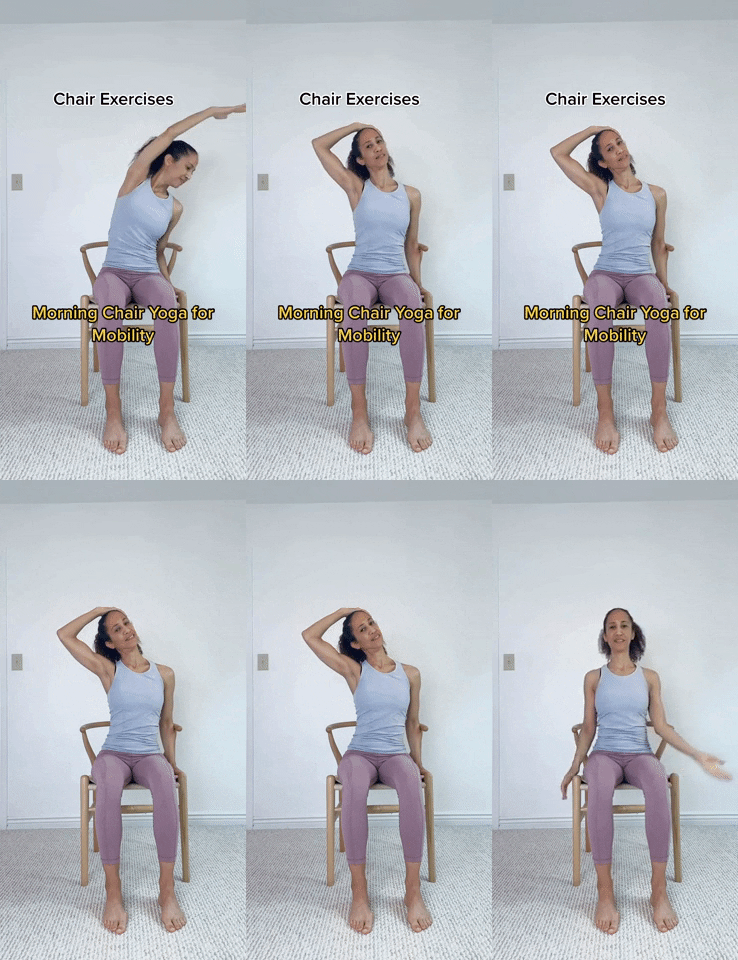
Chair yoga is a form of yoga that uses a chair for support, making it accessible to people of all ages and fitness levels. For beginners, chair yoga offers a safe and adaptable way to experience the benefits of yoga without requiring advanced flexibility or balance. This article will explore how chair yoga works, its benefits, and why it’s an excellent starting point for newcomers.


What is Chair Yoga?

Chair yoga involves modified yoga poses performed while seated or using a chair for stability. It’s particularly beneficial for individuals with limited mobility, those recovering from injuries, or anyone who prefers a gentler introduction to yoga. Despite its gentle nature, chair yoga offers a comprehensive workout for the mind and body.


Why is Chair Yoga Ideal for Beginners?

1. Accessibility

Chair yoga eliminates the need for a yoga mat or getting up and down from the floor. It’s suitable for:

  • Seniors looking for low-impact exercise.
  • Individuals with physical limitations or injuries.
  • Beginners intimidated by traditional yoga poses.

2. Low Risk of Injury

The chair provides stability and support, reducing the risk of falls or strain while attempting poses. This controlled environment builds confidence for beginners.

3. Simple and Adaptable

Poses are easily modified to match an individual’s comfort level and range of motion. Beginners can gradually increase intensity as they become more comfortable with the movements.

4. Improves Basic Fitness

Chair yoga focuses on:

  • Flexibility: Gentle stretches enhance joint mobility.
  • Strength: Simple poses strengthen core and limb muscles.
  • Balance: Gradual practice improves stability and coordination.
  • Mindfulness: Breathing exercises and relaxation techniques help beginners cultivate mindfulness.


Top Benefits of Chair Yoga for Beginners

  1. Improved Flexibility: Chair yoga gently stretches muscles, making it easier to perform daily tasks.
  2. Reduced Stress: Mindful breathing and meditation calm the mind and lower stress levels.
  3. Enhanced Posture: Sitting in a supported position helps improve alignment and reduce back pain.
  4. Better Circulation: Movements encourage blood flow, promoting overall cardiovascular health.
  5. Increased Strength: Chair poses target key muscle groups without overexertion.


Sample Chair Yoga Routine for Beginners

Warm-Up (2-3 minutes):

  • Seated Cat-Cow Stretch: Sit tall, alternating between arching your back (cow) and rounding your spine (cat).
  • Shoulder Rolls: Gently roll shoulders forward and backward to release tension.

Main Sequence (10-15 minutes):

  • Seated Forward Bend: Hinge forward at the hips while keeping your spine straight to stretch the lower back.
  • Seated Warrior Pose: Extend one leg out and raise arms overhead, engaging your core.
  • Chair Twist: Twist gently to each side, holding the chair for support.

Cool Down (2-3 minutes):

  • Seated Neck Stretch: Tilt your head to each side to stretch the neck.
  • Guided Breathing: Focus on slow, deep breaths to relax the mind and body.

Who Can Benefit Most from Chair Yoga?

  • Seniors: It’s low-impact and promotes joint health.
  • Office Workers: Ideal for reducing tension from prolonged sitting.
  • Rehabilitation Patients: Safe for those recovering from injuries or surgeries.
  • Absolute Beginners: A non-intimidating introduction to yoga.


Conclusion: A Gentle Path to Wellness

Chair yoga is an excellent option for beginners seeking a gentle and supportive introduction to yoga. Its accessible nature, adaptability, and numerous health benefits make it an ideal choice for anyone looking to improve their physical and mental well-being.

If you’ve ever hesitated to try yoga, chair yoga provides a welcoming and effective starting point to embark on your fitness journey.


References

  1. Yoga Alliance. "The Benefits of Chair Yoga for Every Body."
  2. Mayo Clinic. "Exercise for Seniors: Chair Yoga Benefits."
  3. National Center for Complementary and Integrative Health. "Yoga: What You Need to Know."

Why Am I Having Trouble Sleeping at Night all of a Sudden

  Why Am I Having Trouble Sleeping at Night All of a Sudden? Common Causes and Solutions If you’ve suddenly started having trouble slee...