Is Chair Yoga Good for Beginners? A Guide to Accessible Fitness
Chair yoga is a form of yoga that uses a chair for support, making it accessible to people of all ages and fitness levels. For beginners, chair yoga offers a safe and adaptable way to experience the benefits of yoga without requiring advanced flexibility or balance. This article will explore how chair yoga works, its benefits, and why it’s an excellent starting point for newcomers.
What is Chair Yoga?
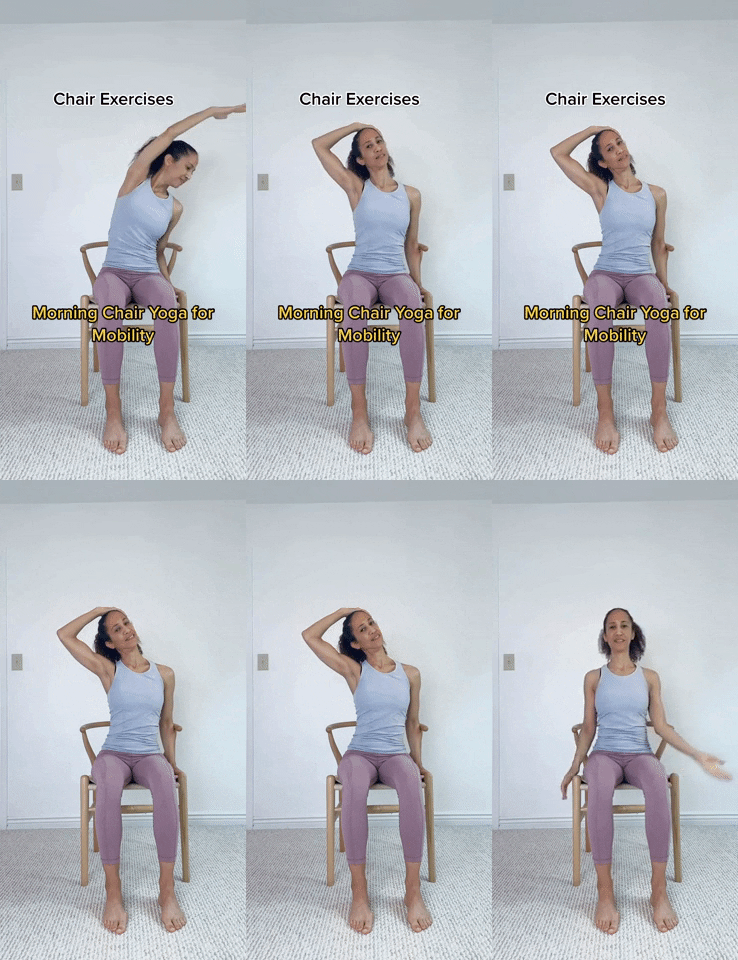
Chair yoga involves modified yoga poses performed while seated or using a chair for stability. It’s particularly beneficial for individuals with limited mobility, those recovering from injuries, or anyone who prefers a gentler introduction to yoga. Despite its gentle nature, chair yoga offers a comprehensive workout for the mind and body.
Why is Chair Yoga Ideal for Beginners?
1. Accessibility
Chair yoga eliminates the need for a yoga mat or getting up and down from the floor. It’s suitable for:
- Seniors looking for low-impact exercise.
- Individuals with physical limitations or injuries.
- Beginners intimidated by traditional yoga poses.
2. Low Risk of Injury
The chair provides stability and support, reducing the risk of falls or strain while attempting poses. This controlled environment builds confidence for beginners.
3. Simple and Adaptable
Poses are easily modified to match an individual’s comfort level and range of motion. Beginners can gradually increase intensity as they become more comfortable with the movements.
4. Improves Basic Fitness
Chair yoga focuses on:
- Flexibility: Gentle stretches enhance joint mobility.
- Strength: Simple poses strengthen core and limb muscles.
- Balance: Gradual practice improves stability and coordination.
- Mindfulness: Breathing exercises and relaxation techniques help beginners cultivate mindfulness.
Top Benefits of Chair Yoga for Beginners
- Improved Flexibility: Chair yoga gently stretches muscles, making it easier to perform daily tasks.
- Reduced Stress: Mindful breathing and meditation calm the mind and lower stress levels.
- Enhanced Posture: Sitting in a supported position helps improve alignment and reduce back pain.
- Better Circulation: Movements encourage blood flow, promoting overall cardiovascular health.
- Increased Strength: Chair poses target key muscle groups without overexertion.
Sample Chair Yoga Routine for Beginners
Warm-Up (2-3 minutes):
- Seated Cat-Cow Stretch: Sit tall, alternating between arching your back (cow) and rounding your spine (cat).
- Shoulder Rolls: Gently roll shoulders forward and backward to release tension.
Main Sequence (10-15 minutes):
- Seated Forward Bend: Hinge forward at the hips while keeping your spine straight to stretch the lower back.
- Seated Warrior Pose: Extend one leg out and raise arms overhead, engaging your core.
- Chair Twist: Twist gently to each side, holding the chair for support.
Cool Down (2-3 minutes):
- Seated Neck Stretch: Tilt your head to each side to stretch the neck.
- Guided Breathing: Focus on slow, deep breaths to relax the mind and body.
Who Can Benefit Most from Chair Yoga?
- Seniors: It’s low-impact and promotes joint health.
- Office Workers: Ideal for reducing tension from prolonged sitting.
- Rehabilitation Patients: Safe for those recovering from injuries or surgeries.
- Absolute Beginners: A non-intimidating introduction to yoga.
Conclusion: A Gentle Path to Wellness
Chair yoga is an excellent option for beginners seeking a gentle and supportive introduction to yoga. Its accessible nature, adaptability, and numerous health benefits make it an ideal choice for anyone looking to improve their physical and mental well-being.
If you’ve ever hesitated to try yoga, chair yoga provides a welcoming and effective starting point to embark on your fitness journey.


References
- Yoga Alliance. "The Benefits of Chair Yoga for Every Body."
- Mayo Clinic. "Exercise for Seniors: Chair Yoga Benefits."
- National Center for Complementary and Integrative Health. "Yoga: What You Need to Know."










.jpg "Liv Pure Weight loss Supplement")


